
Refusing to remove dead trees from rental property isn’t just bad maintenance—it could violate Tennessee law and put tenants at serious risk.
The Scenario: A Dangerous Backyard
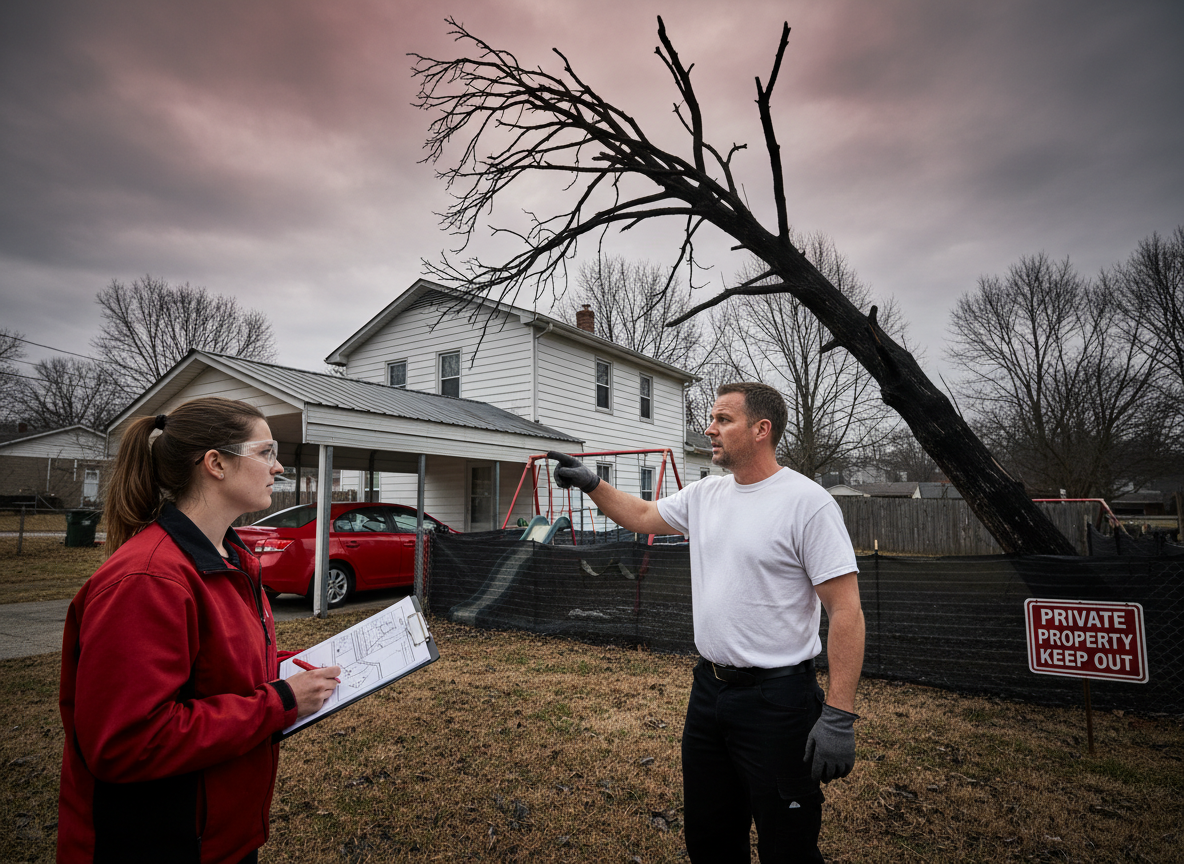
A young couple rents a home with a backyard full of trees. After a storm, high winds knock over one tree. An arborist inspects the property and discovers a second dead tree, which remains standing and dangerously close to the carport, master bedroom, and children’s room. The arborist sends a written proposal to the landlord, recommending immediate removal of both dead trees. The landlord approves removal of the fallen tree but refuses to act on the one still standing.
Why Dead Trees Are a Legal Hazard
Dead trees are more than unsightly—they’re brittle, unstable, and prone to sudden collapse. Falling branches or entire trees can cause severe injuries, property damage, or even death. When a dead tree stands near living spaces or high-traffic areas, every day that passes increases the risk to tenants and their property.
What If the Landlord Refuses to Remove the Tree?
By ignoring the arborist’s warning and the tenants’ safety concerns, the landlord is exposing tenants to imminent danger. This inaction breaches the landlord’s duty of care and violates Tennessee law.
Tennessee Law: Landlord’s Duty to Maintain Safe Property
Under TCA § 66-28-304, landlords must:
- Comply with all building and housing codes affecting health and safety
- Make repairs and keep the property habitable
- Maintain all common areas in a clean and safe condition
If a landlord fails to act, tenants can:
- Recover damages, seek injunctive relief, and claim attorney’s fees after giving 14 days’ written notice (TCA § 66-28-501)
- Terminate the lease and recover prepaid rent and deposits if noncompliance continues
- Pursue actual and punitive damages if the landlord willfully diminishes services after a tenant reports a violation (TCA § 66-28-504)
The Bottom Line
If you’re a tenant facing a dangerous condition—or a landlord unsure of your obligations—take action. Addressing hazards like dead trees isn’t optional; it’s the law. Protect your safety and your rights by insisting on proper maintenance or seeking legal help when needed.
MORE BLOGS
→ BLOG: Must Knows When Hiring a Contractor in Tennessee
→ BLOG: Easements in Tennessee: What You need to Know
→ BLOG: Easement in Gross
→ Connect: Connect with a Real Estate Attorney

