
Easements often come up in real estate, but many people misunderstand them. In Tennessee, it’s vital to know the difference between an easement in gross and other types. This knowledge protects your land use, utility access, and property rights.
What is an Easement in Gross?
An easement in gross gives a person or company the right to use someone else’s land. Unlike an easement appurtenant, it attaches to the individual, not the land. As a result, the benefit goes to the holder, not the property.
How Does an Easement in Gross Work?
The land subject to the easement is the servient estate. The person or company with the right is the dominant owner. Easements in gross benefit only the named person or business, never another property.
- The property subject to the easement is called the servient estate (or “servient tenement”).
- The person or company holding the easement is the dominant owner.
- The easement does not benefit any other parcel of land—only the person or business named in the agreement.
Common Examples of Easements in Gross
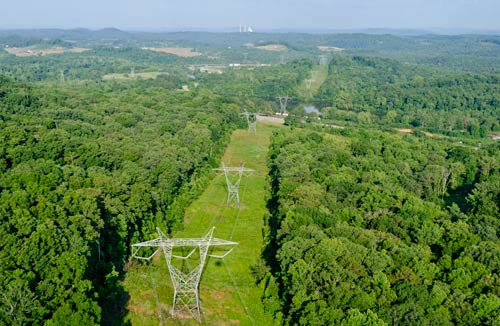
- Utility easements: Utility companies often have easements in gross to run power lines, water pipes, or other infrastructure across private property. This allows them to maintain and repair their lines without trespassing. These agreements are often set up to run with the land.
- Recreational easements: Sometimes, individuals are granted the right to hunt, fish, camp, or boat on someone else’s land—these are also easements in gross.
When Does an Easement in Gross End?
Unlike easements appurtenant, which remain with the land even after a sale, an easement in gross typically ends when the property is transferred to a new owner—unless the easement agreement says otherwise. Always review the terms carefully.
Why Understanding Easements Matters
Easements affect property rights, land value, and your ability to use or develop your land. If you’re creating, modifying, or disputing an easement in Tennessee, it’s smart to get legal advice to protect your interests.
Need help with an easement or a property rights issue?
Contact Collins Legal, PLC for straightforward real estate and land use guidance.
- This article is part of the Tennessee Real Estate & Land Use Legal FAQs.
- Related practice area: Zoning and Land Use
- Collins Legal is a Tennessee-based law firm providing straightforward legal guidance to individuals and businesses.

