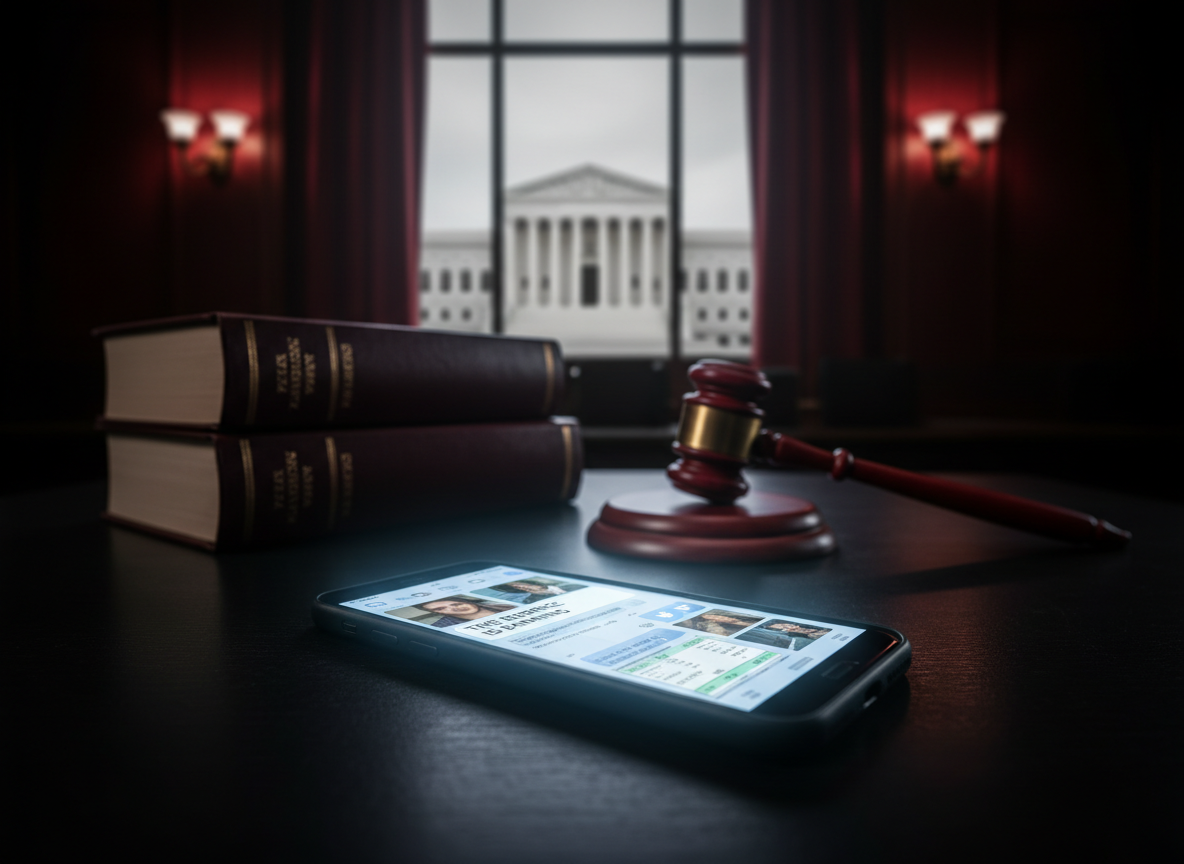

Anything you say—or store—on your cell phone can and will be used against you in a court of law. Technology is no longer just a tool; it’s a legal battleground, and the U.S. Supreme Court is paying attention.
The Supreme Court Spotlight: Search and Seizure of Cell Phones
Right now, the U.S. Supreme Court is reviewing two critical cases—United States v. Wurie and Riley v. California. The central question: Should police need a search warrant to access information on your cell phone after an arrest? The Justices are weighing your Fourth Amendment right to privacy against law enforcement’s need to preserve evidence.
Why Technology Isn’t Always Your Ally in Court
Smartphones have changed everything. We carry them everywhere. They hold our photos, texts, call history, search records—our lives in digital form. While we expect privacy, the law often gives police broad authority to seize and review evidence found in your possession if they have probable cause.
A recent Pew Research Center survey shows that 90% of Americans use a smartphone. That means nearly everyone is carrying potentially incriminating information in their pocket. For law enforcement, accessing that data could be as simple as unlocking your phone.
The Legal Debate: Warrant or No Warrant?
The Supreme Court is wrestling with whether cell phones deserve more protection than wallets, purses, or glove compartments. Based on oral arguments, the Court seems reluctant to require a warrant in every case. Instead, we may get a rule that depends on the circumstances—sometimes police will need a warrant, sometimes they won’t.
What You Can Do Now
The Court will issue its decisions at the end of June. Until then, protect your privacy. Lock your phone. Be mindful of what you store and share. And stay tuned for updates—these rulings could reshape digital privacy for everyone.
Have questions about digital evidence, privacy, or your rights? Contact Collins Legal, PLC. We’ll help you navigate the intersection of technology and the law.
READ THE RULINGS
Criminal Law Blogs
→ BLOG: A BIG Change to Expungement Laws in Tennessee
→ BLOG: Confidential Informants and the Law
→ BLOG: Marijuana Evidence Suppressed
→ BLOG: Tennessee Sentencing Guidelines
→ BLOG: Felony Sentencing Guidelines in Tennessee

